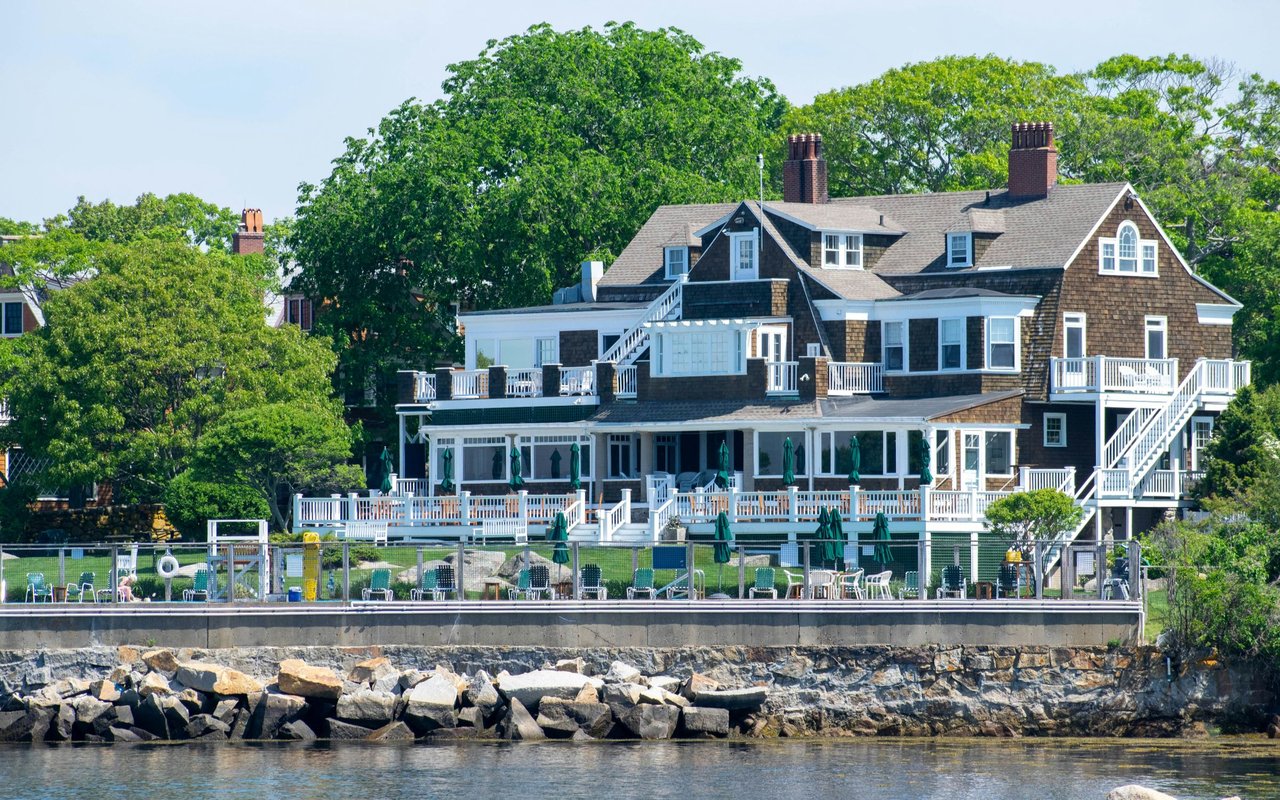
Dreaming about a place by the water is easy. Deciding whether a second home in Madison actually fits your lifestyle, budget, and long-term goals takes a more careful look. If you are considering a shoreline retreat in Connecticut, Madison offers a rare mix of beach access, year-round community life, and a market that rewards preparation. Let’s dive in.
Why Madison Stands Out
Madison sits about 20 miles east of New Haven along the Connecticut shoreline. It blends the classic shoreline appeal many second-home buyers want with the feel of a functioning, lived-in town rather than a place that shuts down after summer ends.
The town highlights three locally owned public beaches, Hammonasset Beach State Park, more than 55 miles of hiking trails, and a downtown centered around the town green and Scranton Memorial Library. Visitors and owners also benefit from a walkable downtown with shops, cafes, restaurants, and year-round events, which helps Madison feel active beyond peak beach season.
For many buyers, that balance is the real draw. You are not just buying proximity to the water. You are buying into a shoreline town with a consistent rhythm and daily convenience.
Madison Feels Seasonal and Stable
One of the most important things to understand about Madison is that it has two identities at once. It experiences a clear seasonal surge, yet it remains primarily a residential community throughout the year.
Madison’s 2024 Plan of Conservation and Development notes seasonal population increases tied to seasonal housing, summer rentals, lodging, and visitors. Hammonasset Beach State Park alone has 558 campsites available from late May through October and can temporarily accommodate about 3,000 people at full capacity.
That seasonal lift changes traffic, beach activity, and the general pace of town, especially near the shoreline. If you are buying a second home, that may be part of the appeal, but it is worth understanding how different July can feel compared with January.
At the same time, Madison is not a resort-only market. Town housing data shows that more than 92% of homes are single-family and 85.6% of housing units are owner-occupied. That matters because it reinforces Madison’s identity as a full-time community with a seasonal overlay, not a purely vacation-driven enclave.
What the Housing Market Looks Like
If you are shopping for a second home in Madison, expect a market with limited supply and steady demand. The available data points to a town where well-positioned properties can move quickly.
A June 2026 market report showed 31 homes sold, with a median sold price of $800,000 and an average sold price of $932,000. Average days on market were 30, and the average sale-to-list ratio was 100%.
Inventory also reflects what Madison mostly is: a single-family market. That same report showed 92 single-family homes versus 10 condos or co-ops and 4 lots or land listings for the month.
A separate home-value estimate places the average home value in Madison at $734,157, up 3.5% over the past year, with homes going pending in around 6 days. Taken together, those numbers suggest a market where buyers benefit from clarity, speed, and strong local guidance.
Waterfront Homes Come With a Premium
Many second-home buyers start with one goal: get as close to the water as possible. In Madison, that usually means a narrower and more specialized inventory pool.
Current waterfront listings indicate a limited set of options, including both seasonal cottage-style homes and larger waterfront residences. That variety can be appealing, but it also means you need to compare properties carefully because “shoreline home” can describe very different ownership experiences.
Townwide pricing also places Madison near the higher end of the Connecticut shoreline market. Nearby average values show Madison at $734,157, compared with Old Saybrook at $706,801, Guilford at $647,153, Westbrook at $592,655, Branford at $474,054, and Clinton at $474,982.
That does not mean every Madison home trades at a premium over every nearby option. It does mean that if Madison is on your shortlist, you should enter the search expecting a competitive market and meaningful pricing differences between inland locations and shoreline pockets.
Costs to Weigh Beyond the Purchase Price
A second home budget should go well beyond the headline number. In Madison, taxes, insurance, and beach access rules all deserve attention early in your search.
Madison’s current mill rate is 23.06, effective July 1, 2026. Using the town’s tax calculator methodology, a home valued at the current average home value would imply roughly $11,851 in annual property tax, while a $917,500 home would imply about $14,810 annually.
For many buyers, those carrying costs can shape the real decision more than the list price. A home that feels manageable at purchase may feel different once you factor in annual taxes, insurance, seasonal upkeep, and any improvements needed for coastal ownership.
Beach access is another detail that deserves a close look. Madison’s Surf Club, East Wharf, and West Wharf are public, but seasonal fees apply, and nonresident seasonal parking passes are limited to 100 and cost $200. Day-pass and seasonal systems help make beach use accessible, but you should not assume unlimited convenience without planning ahead.
Coastal Due Diligence Matters
If you are buying near the shoreline, due diligence is not a formality. It is part of protecting your lifestyle and your investment.
Connecticut DEEP advises buyers and owners to review town permitting requirements, land records, past notices, site plans, survey maps, FEMA flood zones, and any regulatory or enforcement history before buying or altering a coastal property. That guidance is especially relevant for second-home buyers who may be less familiar with the realities of shoreline ownership.
Flood insurance is also worth evaluating even if a property is not in a floodplain. State insurance guidance notes that flood insurance can still be purchased in that situation, but policies usually carry a 30-day waiting period.
Connecticut’s coastal management framework also emphasizes minimizing damage from sea-level rise, coastal flooding, and erosion. In practical terms, that means you should think carefully about both current use and future resilience before moving forward on a waterfront or near-water purchase.
Lifestyle Questions to Ask Yourself
A second home should support the way you actually live, not just the way you imagine living on a summer weekend. Madison gives you several paths, but each one comes with tradeoffs.
If you want easy beach time and a lively summer atmosphere, a shoreline location may be the right fit. If you want a quieter retreat with access to downtown, trails, and the broader community year-round, a location slightly away from the immediate waterfront may offer better balance.
Transportation can also shape the decision. Madison is served seven days a week by CTrail Shore Line East, with connections to New Haven, Old Saybrook, Westbrook, Clinton, Guilford, and New London. That said, Madison station has limited service because it is not a full-access station and has only one platform, so it is helpful but not the same as buying in a larger commuter hub.
As you evaluate options, it helps to think in terms of use patterns:
- How often will you be here in summer versus winter?
- Do you want walkability, beach access, privacy, or lower maintenance?
- Will you use the property mainly for personal stays, extended weekends, or longer seasonal stretches?
- Are you comfortable with the added diligence and costs that can come with coastal ownership?
Why Local Strategy Makes a Difference
In a market like Madison, broad shoreline knowledge is useful, but street-level context is even better. Small differences in location can affect pricing, access, flood exposure, upkeep, and how a home feels across the seasons.
That is especially true for second-home buyers who are comparing Madison with other shoreline towns. A property that looks similar on paper can present very different realities depending on beach rules, carrying costs, setting, and long-term flexibility.
This is where a measured, data-informed approach matters. You want to understand not just what a home is, but how it lives, what it may require, and how it fits into your broader real estate goals.
If you are weighing a shoreline purchase in Madison, the right guidance can help you move with more confidence and fewer surprises. For a discreet, strategy-led conversation about your Connecticut second-home search, connect with the C T Luxe Team.
FAQs
What makes Madison CT appealing for a second home?
- Madison offers shoreline access, a walkable downtown, public beaches, Hammonasset Beach State Park, hiking trails, and a year-round community feel that goes beyond a summer-only destination.
What is the housing market like in Madison CT for second-home buyers?
- Madison is a supply-constrained market centered mostly on single-family homes, with strong demand, relatively quick pending times, and pricing that sits near the upper end of the Connecticut shoreline market.
Are waterfront homes in Madison CT hard to find?
- Waterfront inventory is limited and can include everything from seasonal cottages to larger waterfront homes, so buyers should be prepared for a narrower and more specialized search.
What ongoing costs should you expect with a Madison CT second home?
- You should plan for property taxes, insurance, maintenance, and beach access fees, all of which can have a meaningful impact on the true cost of ownership.
What due diligence matters most when buying near the Madison CT shoreline?
- Key steps include reviewing flood zones, permitting requirements, land records, survey maps, site plans, and any regulatory or enforcement history connected to the property.
Is Madison CT more seasonal or year-round for second-home owners?
- Madison has a noticeable seasonal population increase, especially near the shoreline, but it remains primarily a residential, owner-occupied town with year-round activity and services.