If you have ever spent a weekend in the Litchfield Hills and wondered whether that peaceful rhythm could work every day, Washington, Connecticut, is one of the few places where the answer may be yes. It has the scenery and quiet that draw second-home buyers, but it also offers a real town structure, year-round amenities, and a housing conversation that goes beyond country estates. If you are weighing a retreat, a relocation, or a longer-term lifestyle change, this guide will help you understand what country living in Washington actually looks like. Let’s dive in.
Why Washington Feels Different
Washington is not a single compact downtown. It is a 38.7-square-mile town with a July 1, 2024 population estimate of 3,721, made up of distinct village centers and a wider rural landscape. That scale gives it a scenic, residential feel that is very different from a dense suburb or city neighborhood.
For many buyers, that difference is the appeal. Washington feels intentionally spread out, with winding roads, preserved land, and daily life organized around villages rather than one main commercial core. You are choosing pace, space, and setting as much as you are choosing a home.
Location also plays a major role in its popularity. The town is described as less than two hours from New York City and less than three from Boston by car, with rail access via Wingdale or Dover Plains followed by a local drive into town. That makes Washington easy to understand as both a weekend destination and, for some buyers, a practical full-time base.
Washington’s Five Villages
One of the most important things to know about Washington is that its identity comes from five villages: Washington Green, Washington Depot, New Preston, Marbledale, and Woodville. Each offers a slightly different experience, which matters when you are trying to decide whether you want a home that feels more historic, more tucked away, or closer to shops and gathering places.
Washington Green
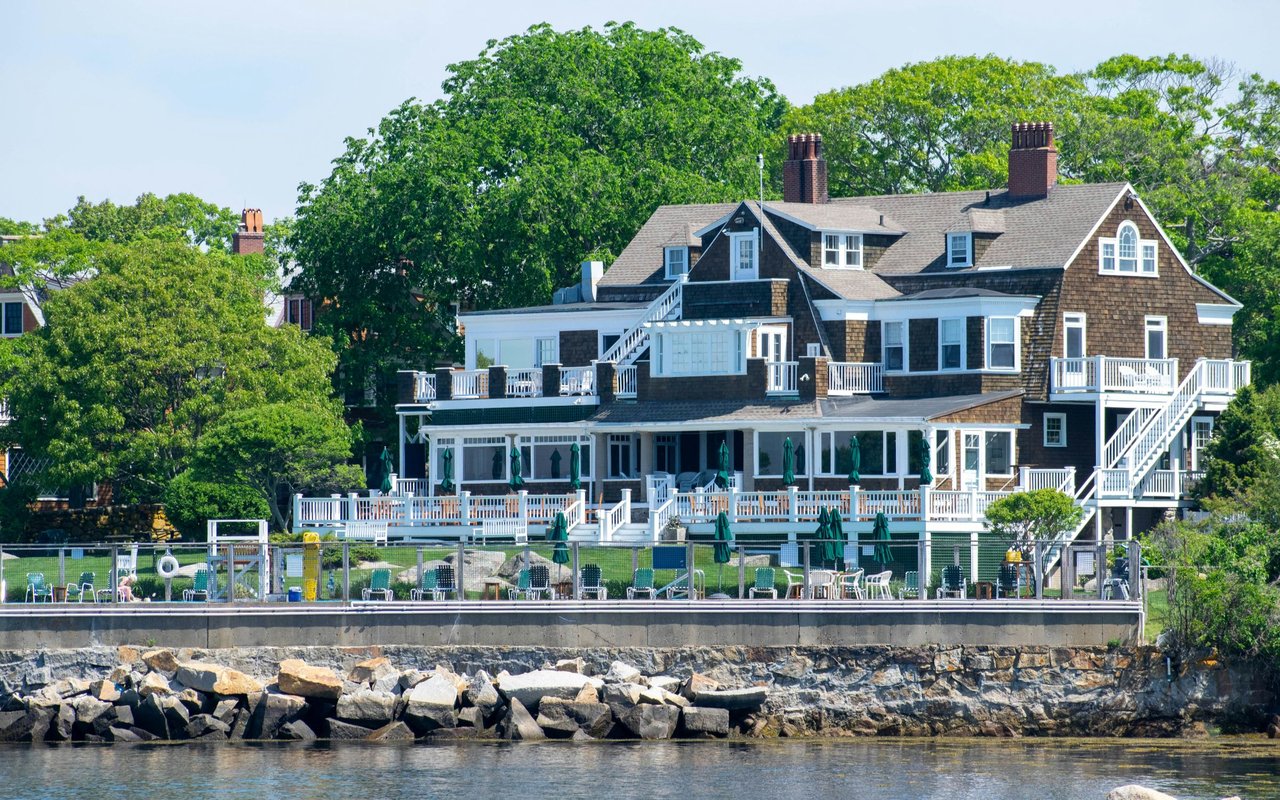
Washington Green is the town’s classic New England center. It includes the library, two museums, a private boarding school, a well-known inn and spa, and historic homes associated with architect Ehrick Rossiter. If you picture formal greens, historic architecture, and a strong sense of preservation, this is likely the image you have in mind.
Washington Depot
Washington Depot blends small-town activity with access to nature. It is described as a former rail stop with independent shops, restaurants, galleries, and proximity to the Steep Rock preserve system. For buyers who want a country setting without feeling fully removed from local activity, Depot often fits the conversation.
New Preston
New Preston has a lively weekend energy and a strong sense of place shaped by older buildings, local businesses, and the roadways around Lake Waramaug. The route around the lake is known for being narrow and winding, with views, inns, and vineyards along the way. If your idea of country living includes scenic drives and destination-style surroundings, New Preston captures that mood.
Marbledale and Woodville
Marbledale is known for restored homes and barns, along with a historic red-brick church dating to 1764. Woodville, centered around the Washington Montessori School, is described as having a slower country pace. Together, these two villages help show that Washington is not one-note. It offers several versions of rural living within the same town.
What Country Living Looks Like Day to Day
Washington’s appeal is not just visual. It is also about how your week unfolds. The town’s planning documents and community input describe Washington through rural character, working farms, historic districts, open space, and winding or dirt roads, all of which shape the daily experience of living there.
This is a car-oriented town, and that is an important practical point. You are not moving to Washington for a walk-everywhere urban routine. You are moving there for scenic drives, village errands, slower transitions between places, and a stronger connection to landscape.
At the same time, Washington has real civic structure and a visible historic fabric. The town has three officially recognized historic districts: Washington Green Historic District, Sunny Ridge Historic District, and Calhoun Street–Ives Road Historic District. That preservation framework helps protect the character that many buyers are specifically seeking.
Open Space Shapes the Lifestyle
A big reason Washington feels so intact is the amount of land that has been preserved. The town’s 2024 Plan of Conservation and Development says Washington has about 7,675 acres of permanently preserved open space, or roughly 31% of the town’s total acreage. That is not a small feature of the town. It is part of its identity.
Outdoor recreation is central to life here. Steep Rock Association protects more than 5,765 acres in Washington through four public preserves: Steep Rock, Hidden Valley, Macricostas, and West Mountain. Together, they offer just over 50 miles of hiking trails.
The wider area adds even more access to nature. Local tourism materials also point to Lake Waramaug State Park, Mount Tom State Park, and Mount Bushnell for hiking and scenery. If you want your weekends to involve trails, water views, and time outdoors without a long drive, Washington delivers that rhythm naturally.
Arts, Farms, and Local Gathering Places
Washington’s lifestyle story is not only about quiet. It also has a cultural layer that gives the town texture throughout the year. Rather than one large arts district, Washington’s creative life is centered in a handful of established institutions and gathering spaces.
The Washington Art Association & Gallery focuses on art education, exhibitions, and special events. The Gunn Museum preserves and shares the town’s history. In Washington Depot, Judy Black Memorial Park and Gardens serves as a community gathering place with art, music, movies, and a farmers market.
Food and agriculture are equally important to the town’s identity. The local dining scene is framed around seasonal menus, locally sourced ingredients, and settings near the Shepaug River, Lake Waramaug, and New Preston Falls. Farms also play a visible role, including Averill Farm, a 10th-generation family farm known for produce, cider, donuts, and other local goods.
For buyers coming from the city, this matters because it turns country living into more than isolation. You get quiet, but you also get rituals: the farmers market, a local meal, a gallery visit, a drive through the villages, or a walk in the preserves. That is what makes the town feel livable beyond a holiday weekend.
From Weekend House to Full-Time Home
Washington has long appealed to second-home buyers, and that reputation is real. Its proximity to metro areas, scenic setting, preserved land, and destination dining all support the classic weekend-house lifestyle. If you want a place that feels like an escape every time you arrive, Washington checks that box.
What is more interesting today is that the town is also thinking seriously about year-round housing needs. The 2024 Housing Plan Update notes revised zoning regulations approved on May 28, 2024 that allow multi-family housing throughout town. The plan also supports smaller single-family homes, mixed-use housing around business districts, and the conversion of larger homes into two- to four-unit properties.
That does not mean Washington stops being rural or refined. It means the town is trying to broaden its housing mix while preserving its country character. For buyers in different life stages, that creates a more realistic path to making Washington a primary home rather than just a weekend address.
What Homes You May Find
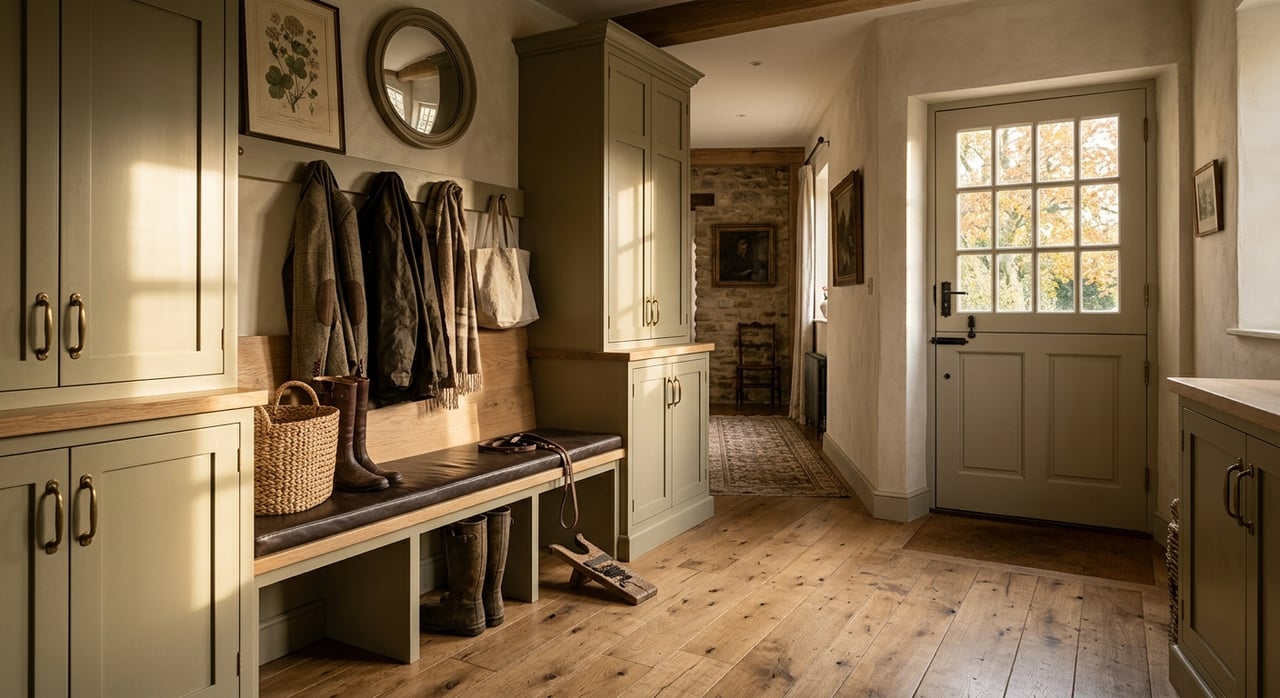
It is a mistake to think of Washington only in terms of large estates. Those properties are part of the market, but they are not the whole story. A more accurate picture includes historic village homes, restored barns and older residences, larger rural parcels, and a smaller but meaningful set of downsizing, rental, and multi-unit options.
The Washington Community Housing Trust was formed in response to rising housing costs as the town became a destination for wealthy second-home owners. It now lists four properties, including three affordable single-family homes, one senior rental community, and two additional rental developments. That is another sign that the local housing conversation includes more than one buyer profile.
The town remains a relatively upscale, low-density market. ACS 2024 data show a median household income of $101,549, a median owner-occupied housing value of $660,200, and 1,399 households. For you as a buyer, that points to a small, established market where inventory can feel selective and the lifestyle proposition often matters as much as square footage.
Who Washington Often Fits Best
Washington tends to appeal to buyers who are making a deliberate lifestyle decision. Some want a weekend home that feels worlds away from the city without being impossible to reach. Others want a full-time move built around privacy, scenery, and a more grounded pace of life.
It can also work well for buyers in transition. If you are downsizing from a larger suburban property, looking for a design-forward village home, or searching for a town that offers both rural beauty and year-round structure, Washington gives you more range than its small size might suggest. The key is matching your daily habits to the realities of the town.
That includes being honest about tradeoffs. Washington is not built for quick errands on foot in every part of town, and it does not offer the density of services you would find in a larger suburb. What it offers instead is preserved landscape, historic character, village identity, and a lifestyle that feels intentionally slower.
Why Washington Continues to Stand Out
Many towns can offer a pretty weekend. Fewer can turn that feeling into a sustainable way of life. Washington stands out because its appeal is layered: five distinct villages, a strong preservation ethic, extensive open space, a well-defined outdoor culture, and a growing conversation about housing choice.
If you are trying to decide whether country living should stay a getaway or become your everyday reality, Washington is one of the clearest examples of a town that can support both. The experience is not suburban and it is not urban. It is village-based, scenic, and rooted in the landscape, which is exactly why so many buyers continue to be drawn to it.
If you are considering a move to Washington or exploring how it compares with other Connecticut towns, CT Luxe Team can help you evaluate the lifestyle, housing options, and market fit with the precision and discretion that a move like this deserves.
FAQs
What is country living in Washington, CT like?
- Country living in Washington means small village centers, scenic and sometimes winding roads, preserved open space, trail networks, farms, and a slower daily pace rather than a dense downtown setting.
Is Washington, CT only for weekend-home buyers?
- No. Washington has a long second-home history, but local housing planning efforts now support a broader mix of year-round housing options, including smaller homes, multi-family housing, and village-centered development.
What types of homes can buyers find in Washington, CT?
- Buyers may find historic village homes, restored homes and barns, larger rural properties, and a smaller but important mix of rental, senior, and multi-unit housing options.
How accessible is Washington, CT from New York City?
- Washington is described by the local tourism authority as less than two hours from New York City by car, with rail access via Wingdale or Dover Plains followed by a local ride into town.
What makes Washington, CT appealing for full-time living?
- Washington combines preserved landscapes, year-round local institutions, outdoor recreation, village amenities, and an evolving housing mix that can support more than just occasional use.