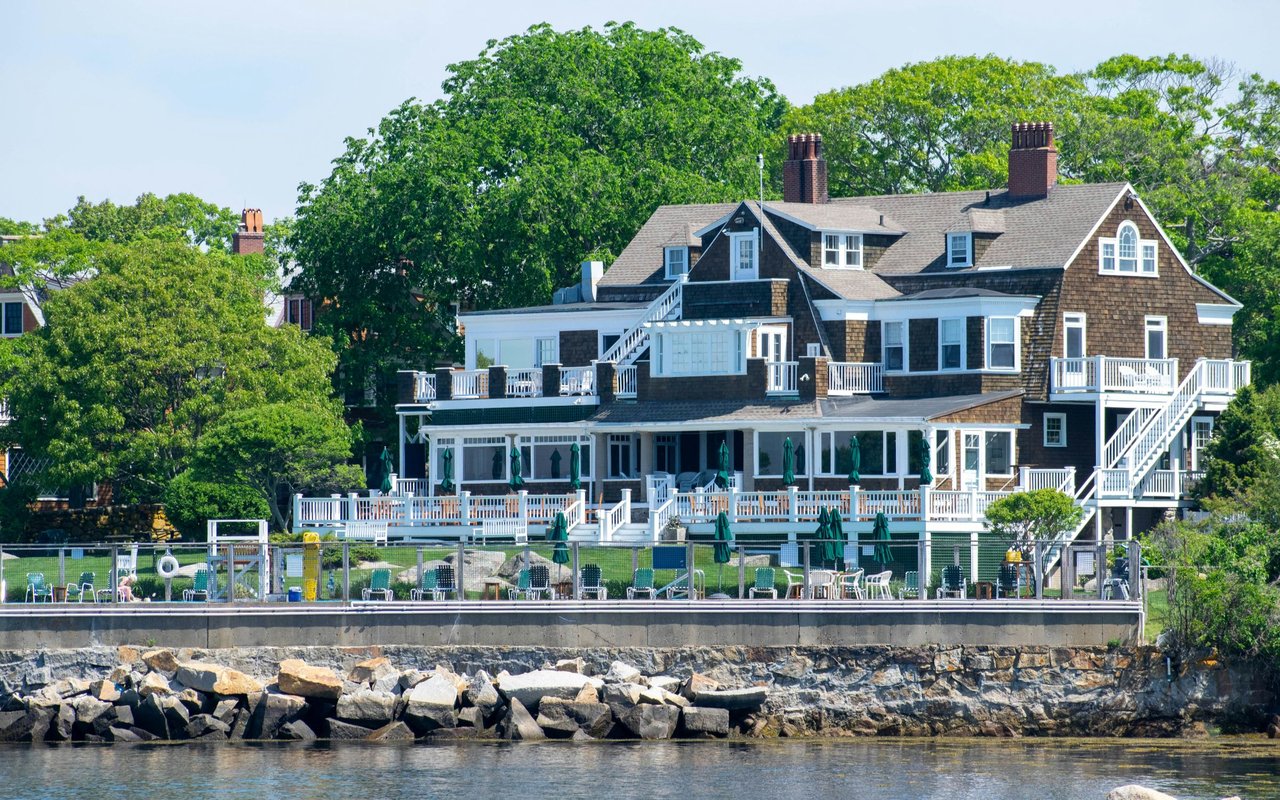
If you own a historic home in Southport, you are not selling just square footage. You are bringing a piece of the village’s story to market, and that takes more than a standard listing plan. With the right mix of preservation awareness, polished presentation, and modern digital marketing, you can position your home in a way that respects its past and speaks clearly to today’s buyers. Let’s dive in.
Why Southport’s History Shapes the Sale
Southport Village is known for its harbor setting, historic architecture, and long-established village character. The Town of Fairfield presents the area as a coastal destination with shopping, dining, arts and culture, and a scenic waterfront, all of which help frame buyer interest.
The Southport Historic District was formed in 1967 and expanded in 2007. According to Fairfield’s Historic District Commission handbook, the district includes more than 150 buildings and a notable concentration of architecture dating from the 18th through the 20th centuries. The handbook also notes that surviving gardens and lawns are part of the district’s defining character.
That context matters when you sell. Buyers are often responding to more than the house itself. They are also responding to the setting, the streetscape, the lot, and the sense of continuity that makes Southport distinct.
Understand the Market Position
Southport sits in a high-value market segment where details matter. Realtor.com’s May 2026 snapshot for ZIP code 06890 showed 28 homes for sale, a median listing price of $1.649 million, and median days on market of 31.
For you as a seller, that points to a simple truth: historic homes need disciplined pricing and strong presentation. In a market where buyers have options, the homes that stand out tend to be the ones with a clear story, visible care, and a launch strategy that feels intentional.
Know What You Can Update
One of the biggest mistakes sellers make with historic homes is assuming every improvement is straightforward. In Southport’s local historic district, exterior changes that are visible from a public way require a Certificate of Appropriateness before permits can be issued.
Fairfield’s handbook warns that starting work without that approval can lead to a stop-work order. The commission’s authority also extends to items like signs and parking, while exterior paint color is generally outside that scope. The rules do not govern interior arrangement or use.
That creates an important distinction before listing: maintenance is not the same as alteration. Many cosmetic improvements and interior refreshes are simpler ways to prepare your home for market, while visible exterior work should be verified before you move forward.
Exterior changes to check first
If you are considering visible updates, confirm requirements before scheduling contractors. This can include:
- Window replacement
- Door replacement
- Roofing changes
- Additions
- Fences or walls
- Parking or site-feature changes
This step protects your timeline and helps you avoid unnecessary delays before launch.
Focus on Market-Ready Improvements
Historic homes do not need to feel over-renovated to sell well. In many cases, buyers are drawn to charm, character, and authenticity, especially in older homes.
That is why the smartest pre-sale work often starts with condition, not reinvention. Cleaning, paint touch-ups where appropriate, landscape maintenance, hardware adjustments, and interior refreshes can improve first impressions without compromising historic character.
If your home has deferred maintenance, a pre-listing inspection is worth considering. NAR reports that sellers and agents use pre-listing inspections to reduce surprises, build trust, and address issues before they derail a deal.
Where preparation usually pays off
Before you list, prioritize improvements that help a buyer feel clarity and confidence:
- Resolve obvious maintenance items
- Refresh interiors where wear is visible
- Improve lighting and room flow
- Make key architectural details stand out
- Present gardens, lawns, and outdoor spaces with care
The goal is not perfection. The goal is readiness.
Lead With the Home’s Story
A historic Southport home should never be marketed like a generic resale. The most effective listings lead with identity and context.
Southport’s district is significant for its architecture and setting. Official records reference styles such as Greek Revival, Federal, and Romanesque, while Fairfield’s handbook emphasizes the importance of lot size, landscape character, and preserved site relationships.
That gives you a strong framework for positioning your home. If known, your listing story should include the home’s era, architectural style, builder or architect, notable renovations, and the relationship between the house, the lot, and the street or harbor setting.
What buyers want to understand
Your marketing should answer questions like:
- When was the home built?
- What architectural details define it?
- What updates have been made over time?
- How does the house sit on the property?
- What views, gardens, or outdoor features shape the experience?
This kind of narrative does more than add charm. It helps buyers understand value.
Use Modern Media Well
Today’s buyers usually begin online, and that changes how a historic home needs to be presented. NAR’s 2024 home-buyer research found that the first step for buyers was to look online, and 52% found the home they purchased on the internet.
That means your digital launch cannot rely on a few attractive images alone. Historic homes often have original room sequences, additions, staircases, and layouts that are harder to understand at a glance. Buyers need a clear visual explanation of how the home lives.
The media package that matters
For a Southport historic listing, the strongest digital package usually includes:
- High-resolution photography
- Video tour content
- Floor plans
- Virtual tour assets
- Clear descriptions of condition and updates
Photos remain essential, but they should do more than look polished. They should help buyers read the architecture, scale, natural light, and relationship between rooms.
Floor plans are especially useful in older homes because they clarify room sizes and flow. Virtual tours can also answer practical questions about layout and furniture fit before a showing is scheduled.
Stage to Reveal Character
Staging can be especially effective in a historic home when it is done with restraint. According to NAR’s 2025 staging report, 83% of buyers’ agents said staging made it easier for buyers to visualize a property as a future home. Nearly half of sellers’ agents said staging reduced time on market, and 29% reported that staging increased dollar value offered by 1% to 10%.
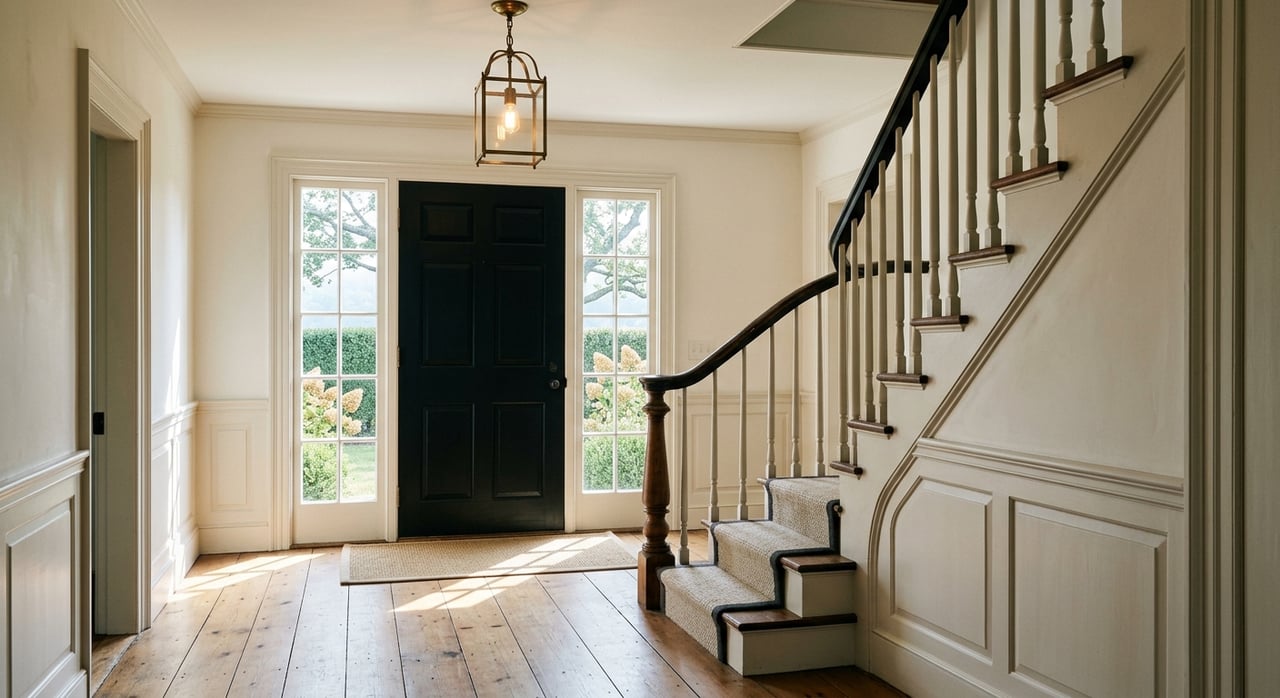
In Southport, staging should support the architecture rather than compete with it. You want buyers to notice the original trim, fireplaces, built-ins, windows, staircases, and garden views, not get distracted by overly trendy styling.
Best staging priorities for older homes
Thoughtful staging often focuses on:
- Defining room purpose clearly
- Improving flow in formal and informal spaces
- Scaling furniture to the architecture
- Highlighting original millwork and fireplaces
- Drawing attention to natural light and outdoor views
When staging is done well, the home feels both timeless and livable.
Price With Precision
Historic homes are rarely one-size-fits-all assets. Their value often comes from a blend of location, condition, architecture, provenance, lot character, and updates.
That is why pricing should be grounded in market reality, not just emotional attachment. Sellers consistently value agents who help market the home, price it competitively, and sell within a specific timeframe, according to NAR’s 2025 buyer and seller data.
A precise pricing strategy helps protect your launch. If the price is out of step with condition or buyer expectations, even a remarkable home can lose momentum early.
Build a Smart Launch Plan
The strongest Southport listings are not rushed to market. They are prepared with clear sequencing.
That means reviewing any district-related improvement questions early, handling maintenance first, shaping the listing narrative, and producing media that explains the home well. In a historic property, the story and the strategy need to work together.
A practical pre-listing checklist
Use this framework as you prepare:
- Confirm the home’s historical details, style, and notable updates.
- Verify whether any visible exterior work needs district review.
- Tackle maintenance and interior refreshes first.
- Consider a pre-listing inspection if age or condition warrants it.
- Prepare high-quality photos, floor plans, video, and virtual assets.
- Stage to highlight architecture, not hide it.
- Price with discipline based on current market position.
With a home like this, thoughtful preparation is often what separates a quiet listing from a strong one.
Selling a historic Southport home requires a careful balance. You want to preserve what makes the property special while presenting it with the clarity, polish, and reach that modern buyers expect. When that balance is handled well, your home stands out for the right reasons.
If you are preparing to sell in Southport and want a strategy built around precision, presentation, and discretion, connect with the CT Luxe Team.
FAQs
What makes selling a historic Southport home different from selling a standard home?
- A historic Southport home often needs a more detailed strategy because buyers are evaluating architecture, setting, lot character, condition, and the home’s story, not just size and finishes.
What exterior work on a Southport historic home may require approval before listing?
- In Fairfield’s local historic district, exterior alterations visible from a public way may require a Certificate of Appropriateness, including changes such as windows, doors, roofing, additions, fences, walls, and some site features.
Can you update the interior of a historic home in Southport before selling?
- Fairfield’s historic district rules do not govern interior arrangement or use, so many interior refreshes are typically less complicated than visible exterior alterations.
Why are floor plans and virtual tours helpful for Southport historic home listings?
- Older homes can have unique layouts, additions, and room sequences, so floor plans and virtual tours help buyers understand flow, scale, and how spaces connect.
Should you stage a historic home in Southport before putting it on the market?
- Staging can help buyers visualize the home more easily, and in a historic property it works best when it highlights original details, natural light, and room function without masking character.
Is a pre-listing inspection useful when selling an older Southport house?
- A pre-listing inspection can help identify issues early, reduce surprises during contract, and give buyers more confidence in the home’s condition.